
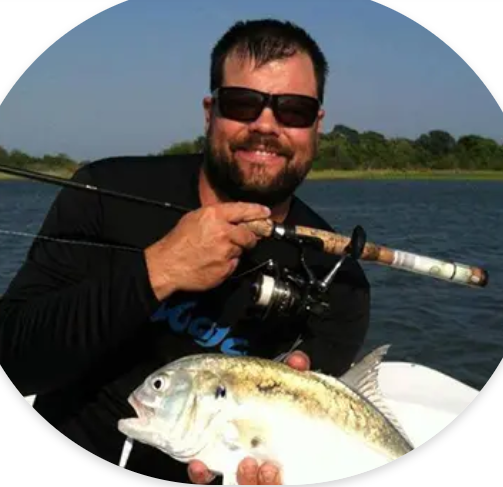
For new anglers, the right fishing rod is usually the one that matches the water, fish, bait, and casting conditions—not the most expensive model. In Surf City, NC, beginners may fish from docks, piers, shorelines, boats, or quiet inshore areas, so a practical first rod should be versatile enough for the type of fishing that will happen most often.
What should a beginner consider first?
Start by deciding where the rod will be used and what kind of fish it needs to handle. A rod suited to small freshwater fish will not perform well for casting from the beach, while a heavy surf rod can make light inshore tackle feel awkward and tiring.
Think through these questions:
- Will the rod be used from shore, a pier, a boat, or several locations?
- Will it cast bait, artificial lures, or both?
- Are the target fish generally small and light, or strong enough to make long runs?
- Does the angler need one general-purpose setup or equipment for a specific type of fishing?
- Will the rod be stored in a garage, vehicle, boat, or outdoor area exposed to salt air?
For many beginners, an all-purpose inshore or light saltwater rod is a more useful starting point than a highly specialized rod. It can handle common shoreline and boat situations without being overly difficult to cast.
What rod length is easiest for beginners?
A rod between 6 1/2 and 7 1/2 feet is a practical starting range for many new anglers. Shorter rods are easier to control in tight spaces, while longer rods generally cast farther and help keep line above shoreline obstacles.
A 7-foot rod often provides a useful balance:
- Easier casting than a very short rod
- More control when working lures
- Enough leverage for moderate-size fish
- Manageable length for docks, small boats, and storage
Longer rods can be helpful for surf casting because they improve casting distance and line control. However, a 9- to 12-foot surf rod may feel cumbersome to someone learning basic casting technique. It can also be difficult to use around railings, crowded fishing areas, or a small boat.
For a first rod that may be used in several settings, moderate length is usually more forgiving than choosing an oversized surf rod immediately.
What do power and action mean?
Rod power describes how much force the rod takes to bend. Action describes where along the blank that bending occurs. These two features affect casting, hook-setting, lure control, and fish-fighting ability.
Rod power
Common power ratings include ultralight, light, medium-light, medium, medium-heavy, and heavy.
- Light or ultralight: Designed for small fish, light line, and small lures
- Medium-light: Useful for light inshore fishing and smaller bait presentations
- Medium: A versatile choice for many general-purpose saltwater situations
- Medium-heavy: Better for larger baits, stronger fish, and heavier sinkers
- Heavy: Intended for substantial tackle, powerful fish, or specialized applications
A medium or medium-light rod is often a sensible choice for beginners who want flexibility. Light tackle can be enjoyable, but it may not have enough strength for heavier sinkers, larger bait, or strong fish around structure.
Rod action
- Fast action: Bends mainly near the tip and responds quickly
- Moderate action: Bends farther down the rod and loads smoothly
- Slow action: Bends through much of the blank and is often used for lighter presentations
Fast-action rods can provide good sensitivity and quick hook-setting, but some beginners find them less forgiving because they can magnify abrupt movements. Moderate-action rods often feel smoother during casting and can help protect lighter line from sudden surges.
Should a beginner choose a spinning rod or baitcasting rod?
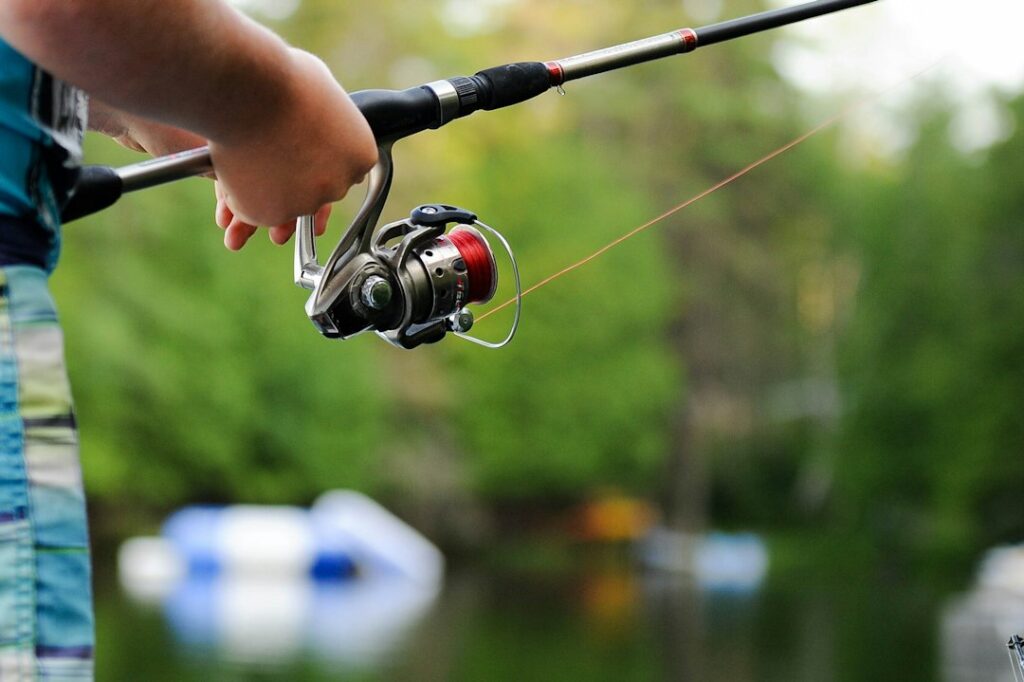
A spinning rod is usually the easiest choice for someone learning to fish. The reel hangs beneath the rod, and the spool does not rotate during the cast. This makes spinning equipment less prone to the line tangles commonly associated with beginner baitcasting setups.
Spinning rods work well for:
- Live bait
- Soft plastic lures
- Spoons and small plugs
- Dock and shoreline fishing
- General inshore use
Baitcasting rods can offer accurate casting and excellent control after practice, but they require more attention to spool tension, braking, and thumb control. They are often better as a second setup rather than a first rod for someone who wants a simple learning experience.
A spinning rod should be paired with a spinning reel. Baitcasting reels require a baitcasting rod because the reel seat, guides, and rod design are different.
What line rating and lure rating should be checked?
The line and lure ratings are printed near the handle of most rods. These markings show the range the manufacturer considers appropriate for that rod.
For example, a rod may be rated for:

- 8- to 17-pound line
- Lures weighing from 1/4 to 3/4 ounce
These numbers are not exact requirements, but they help prevent mismatched equipment. A lure that is too heavy can overload the rod during a cast. A line that is too light may break around structure, while line that is far too heavy can reduce casting distance and make the setup feel stiff.
For general beginner saltwater use, a rod rated for moderate line and lure weights provides more flexibility than an ultralight model. The proper range depends on whether the setup will be used for small lures, bottom fishing, live bait, or heavier casting.
Is a one-piece or two-piece rod better?
A one-piece rod can offer excellent sensitivity and a consistent feel because there is no connection point in the blank. Its main drawback is transportation and storage.
A two-piece rod is usually more convenient for households where equipment must fit inside a vehicle, apartment, garage, or storage cabinet. Modern two-piece rods can perform well when the sections are properly aligned and the connection is kept clean.
Saltwater anglers should rinse the rod connection with fresh water after use and check that the sections remain firmly seated. A loose connection can affect casting and may place extra stress on the blank.
What should local anglers consider near salt water?
Salt air, sand, and spray can shorten the life of fishing equipment if they are allowed to remain on the rod and reel. The rod itself is only one part of a beginner’s setup, but it should be selected with the surroundings in mind.
After fishing:
- Rinse the rod with low-pressure fresh water.
- Wipe away sand before collapsing or transporting a two-piece rod.
- Allow the rod to dry before storing it in a closed container.
- Inspect the guides for cracks, corrosion, or rough edges.
- Avoid dragging the rod across sand or leaning it where waves can strike it.
- Store it away from direct heat and prolonged dampness.
A rod that feels comfortable in the hand is also more likely to be used regularly. Beginners should check the grip, reel seat, total weight, and balance rather than focusing only on length or appearance.
What is a good first setup?
For many new anglers, a medium or medium-light spinning rod around 7 feet long is a reasonable general-purpose starting point. Pair it with a properly sized spinning reel and line that falls within the rod’s printed rating.
That setup can cover a range of light inshore, dock, pier, and shoreline fishing without forcing the angler into one narrow technique. Someone focused mainly on beach casting or larger bait may need a longer, heavier rod instead. Someone targeting very small fish with tiny lures may prefer a lighter model.
The most common beginner mistake is choosing equipment based on the largest fish that might possibly be caught. A better approach is to choose a rod for the fishing that will happen most often, then move to specialized equipment as experience grows.
How can a beginner test a rod before buying it?
Hold the rod as if casting and check whether the grip feels natural. The reel seat should not pinch the hand, and the rod should not feel excessively tip-heavy.
Also examine:
- Whether the guides are straight and firmly attached
- Whether the reel fits securely
- Whether the rod’s power matches the intended bait or lure
- Whether the length is practical for transportation
- Whether the rod feels comfortable after several minutes of holding it
Comfort, correct ratings, and a suitable fishing environment matter more than decorative features. A simple rod that matches the angler’s habits will usually teach more and last longer than an advanced rod chosen without a clear purpose.