
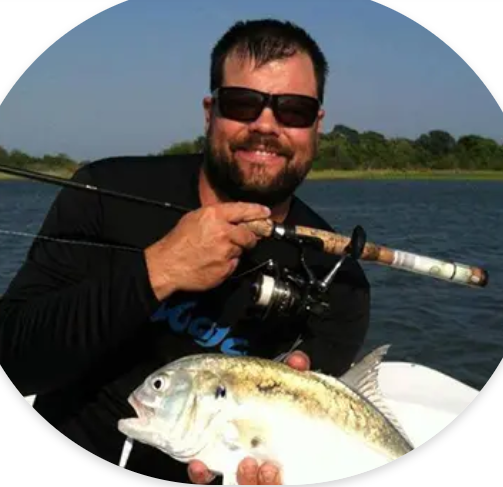
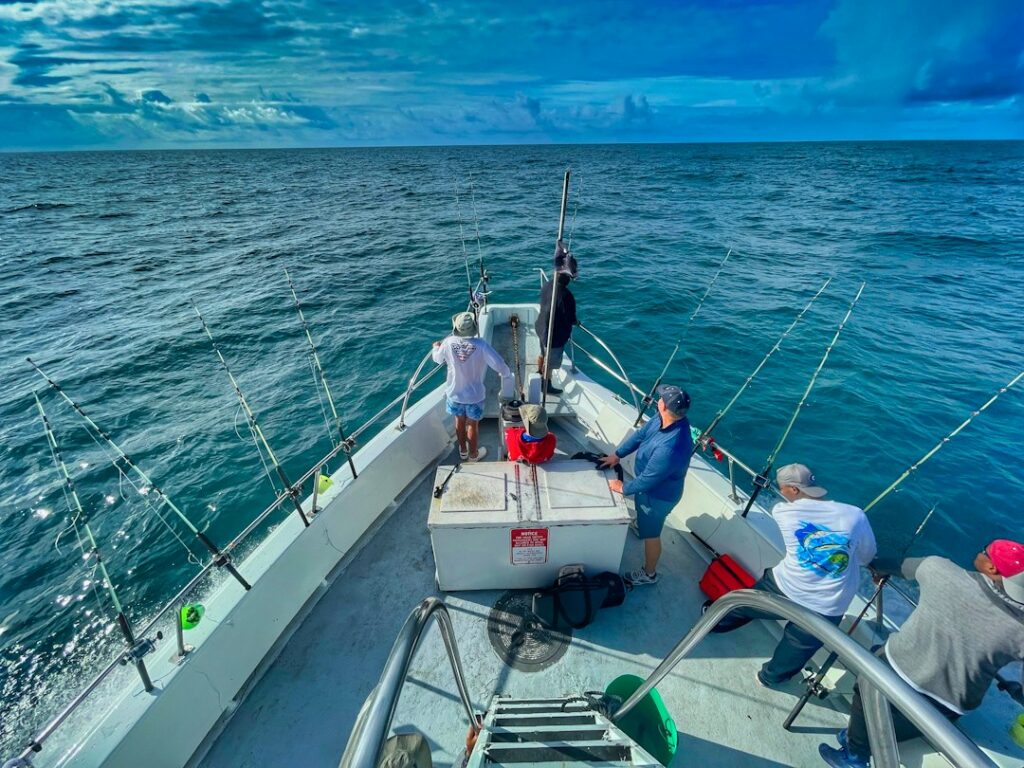
Fishing gear does not need to be expensive or complicated to be useful. The right equipment depends on where the fishing will take place, the size of the fish expected, the weather, and whether the trip involves the beach, a pier, a sound, or a boat.
For residents and visitors in Surf City, saltwater conditions add a few requirements that freshwater anglers may overlook. Corrosion-resistant equipment, secure storage, sun protection, and basic safety supplies are part of a dependable setup.
What fishing gear should every angler have?
Every angler should have a suitable rod and reel, strong fishing line, basic terminal tackle, pliers, a cutting tool, bait or lures, a landing method, and practical safety gear.
A simple starting kit includes:
- A rod and reel matched to the fishing location
- Monofilament or braided fishing line
- Hooks, swivels, sinkers, and leader material
- Pliers or a hook-removal tool
- Line cutters or fishing scissors
- A tackle box with secure compartments
- A cooler or insulated container
- Sun protection and drinking water
- A first-aid kit
- A measuring device and legal fish-identification reference
The goal is not to carry every possible item. It is to have the tools needed to cast, land, handle, and release fish without improvising.
How should an angler choose a rod and reel?
Choose equipment based on the water and the likely size of the fish rather than selecting the largest available setup. A medium or medium-heavy spinning outfit is versatile for many shoreline situations and is generally easier for beginners to use than a conventional reel.
A shorter rod can be practical around docks, small boats, and tight shoreline areas. A longer surf rod can help cast beyond the nearest breaking waves and keep line above moving water, but it also requires more space and technique.
For boat fishing, a shorter and stronger rod is often easier to manage than a long surf rod. The rod should have enough backbone to control a fish but still allow the angler to feel lighter bites.
Saltwater is hard on reels. Rinse equipment with fresh water after each outing, allow it to dry, and avoid soaking the reel under pressure. Salt and sand can enter small openings and cause damage even when the equipment appears clean.
What line and terminal tackle are useful for coastal fishing?
Line strength should match the species, structure, bait, and surf conditions. Light line may cast well and provide more sensitivity, but heavier line is useful around docks, rocks, pilings, heavy current, or fish with sharp teeth.
Braided line offers sensitivity and a smaller diameter, while monofilament is forgiving, inexpensive, and useful for many beginners. A leader can help protect the main line from abrasion and fish with rough mouths or sharp edges.
A basic coastal tackle selection may include:
- Circle hooks for many bait-fishing situations
- J-hooks where permitted and appropriate
- Egg sinkers and pyramid sinkers in several sizes
- Barrel swivels
- Precut leader material
- Soft plastic lures and jig heads
- Topwater or suspending lures for active fish
- Floats for presenting bait above the bottom
Carry multiple sinker sizes. Wind, wave action, and current can change during a single outing. A sinker that holds bottom in calm water may be ineffective after conditions increase.
Always check current North Carolina fishing regulations before fishing. Rules can vary by species and may cover licenses, seasons, size limits, bag limits, hook types, and protected fish.
What gear is needed for surf fishing?
Surf anglers need equipment that can tolerate sand, moving water, wind, and changing tides. A sand spike or rod holder keeps the rod secure while reducing the need to place equipment directly on the beach.
A surf-fishing setup commonly includes:
- A rod long enough for the planned casting distance
- A reel with adequate line capacity
- Pyramid sinkers for holding bottom
- A bait knife or cutting board
- A bucket or cooler for bait and water
- A towel for drying hands
- A folding cart or shoulder bag for carrying equipment
- A headlamp for low-light conditions
- A small trash bag for line, bait containers, and discarded packaging

Do not leave rods, tackle boxes, or coolers where incoming water can reach them. Tides and wave conditions can change faster than expected, particularly around inlets and areas with strong current.
A sand spike is not a substitute for watching the rod. A sudden strike can pull equipment into the water, especially when the drag is set tightly.
What safety gear belongs in a fishing kit?
Safety equipment is part of fishing gear, not an optional extra. Every trip should include drinking water, sunscreen, polarized sunglasses, a hat, and clothing that protects the skin from prolonged sun exposure.
A compact first-aid kit should contain bandages, antiseptic wipes, gauze, medical tape, tweezers, and supplies for treating minor hook punctures or cuts. Anglers should also carry a charged phone in a waterproof pouch.
For boat trips, each person should have properly fitted flotation equipment. Even strong swimmers can be affected by cold water, waves, injury, or sudden weather changes.
Before fishing from the beach, check the surf forecast, wind, tide information, and any posted warnings. Rip currents may be present even when the water looks relatively calm. Fishing requires attention near the surf, so avoid standing in moving water while focused on a cast or fish.
A whistle, flashlight, and small emergency blanket are useful additions for early-morning, evening, or isolated trips.
How should fish be handled safely?
Pliers are safer than bare hands for removing hooks, especially from fish with teeth, spines, or sharp gill covers. Long-nose pliers help reach hooks set deep in the mouth, while a heavier pair can cut hooks if necessary.
Use a landing net when a fish is too large to lift safely. Lifting a fish by the line can damage the fish, break the line, or cause the hook to swing unexpectedly.
If a fish will be released, wet hands before handling it, support its body, and avoid unnecessary contact with the gills. Keep the fish out of the water only as long as needed for hook removal and a quick measurement.
A dehooking tool can reduce handling time, but it should be practiced before it is needed. The same applies to fish-gripping devices: use them only when appropriate for the species and situation.
What often gets overlooked?
A few inexpensive items prevent common problems:
- Spare hooks, leaders, and sinkers
- Extra line and a way to tie reliable knots
- A waterproof container for licenses, keys, and identification
- Hand sanitizer or fresh water for cleaning hands
- A small towel for wet equipment
- Backup batteries for lights
- Extra sunglasses or a retaining strap
- Needle-nose pliers with corrosion-resistant materials
- A written list of emergency contacts
- A cooler with ice if keeping legal fish
Many anglers also overlook footwear. Protective shoes can help prevent cuts from shells, sharp debris, hooks, and uneven surfaces. Bare feet are especially vulnerable when moving through surf or handling tackle.
How should fishing gear be maintained?
Rinse saltwater gear with fresh water after every trip. Wipe rods and reels dry, clean sand from moving parts, and inspect line for nicks or flattened sections. Replace damaged leader material instead of waiting for a fish to expose the weakness.
Store hooks and lures dry. Separate wet towels, bait containers, and clothing from clean tackle. Periodically check knots, drag settings, reel handles, rod guides, and landing nets.
A well-maintained basic setup is usually more dependable than a large collection of neglected equipment. For coastal anglers, preparation, safe handling, and equipment suited to local conditions matter more than owning the most specialized gear.